




Did you know that regular heat pump maintenance can increase its efficiency by up to 20%? In Commerce City, CO, keeping your system in top shape is essential, especially with fluctuating temperatures. By following a few key tips, you can guarantee your heat pump runs smoothly and lasts longer. Curious about what steps you should take to maximize your system’s performance? Let’s explore some essential homeowner tips.
Understand Your Heat Pump System
To maintain your heat pump system effectively, it’s important to understand how it works. A heat pump transfers heat from one place to another, using a refrigerant to absorb and release heat. In winter, it extracts heat from the outside air and moves it indoors, while in summer, it reverses the process, cooling your home. Knowing this helps you appreciate its efficiency and versatility.
You should also be aware of the key components: the compressor, evaporator, and condenser. Each part plays a significant role in keeping your home comfortable.
Regularly checking the air filter is crucial, as a dirty filter can reduce efficiency and strain the system. Additionally, understanding the importance of preventative maintenance can help you ensure your heat pump operates at peak performance.
Understanding how your heat pump operates empowers you to spot potential issues early. By being proactive, you can guarantee your system runs smoothly, ultimately saving you money and extending its lifespan.
Schedule Regular Professional Maintenance
Scheduling regular professional maintenance for your heat pump is crucial to keep it running efficiently. Aim for at least one check-up each year to catch any potential issues early and guarantee peak performance. With expert care, you’ll not only extend the life of your system but also enjoy lower energy bills and improved comfort in your home. Additionally, maintaining website credibility through regular service can enhance your trust and satisfaction with your heating system.
Importance of Professional Checks
Regular professional maintenance is vital for keeping your heat pump running efficiently and extending its lifespan.
By scheduling these checks, you can avoid costly repairs and guarantee your system operates at peak performance.
Here are four reasons why professional maintenance is essential:
- Expert Diagnostics: Professionals can identify potential issues before they escalate, saving you time and money.
- Efficiency Boost: Regular checks optimize your system, improving energy efficiency and lowering utility bills.
- Warranty Protection: Many warranties require regular maintenance, so professional checks help keep your coverage intact.
- Safety Assurance: Technicians guarantee your heat pump operates safely, minimizing risks like carbon monoxide leaks.
Investing in professional maintenance is a smart choice for your comfort and peace of mind.
Frequency of Maintenance Visits
Maintaining your heat pump requires attention to detail, and scheduling maintenance visits at least once a year is crucial. Regular professional check-ups help guarantee your system operates efficiently and reliably.
Think of it as giving your heat pump a thorough health check. During these visits, technicians can identify potential issues before they escalate, saving you from costly repairs down the line.
If you live in an area with extreme weather conditions, consider scheduling maintenance twice a year—once before summer and once before winter. This proactive approach helps optimize performance and extends the lifespan of your heat pump.
Don’t wait until you notice a problem; prioritize regular maintenance for your home’s comfort and efficiency.
Benefits of Expert Care
While handling heat pump maintenance on your own might be tempting, relying on expert care offers significant advantages.
Here are some key benefits you’ll enjoy when you schedule regular professional maintenance:
- Enhanced Efficiency: Professionals guarantee your system runs at peak performance, saving you money on energy bills.
- Longer Lifespan: Expert care helps extend your heat pump’s life, delaying costly replacements.
- Comprehensive Inspections: Technicians identify and address potential issues before they become major problems.
- Peace of Mind: Knowing a qualified team is monitoring your system allows you to relax and focus on other priorities.
Clean or Replace Air Filters
Keeping your air filters clean is essential for your heat pump’s efficiency and your home’s air quality. You should check and replace them regularly to prevent dust and allergens from circulating. Additionally, maintaining service request information can help ensure that any issues with your heat pump are addressed promptly. Let’s explore how often you should change those filters and why it matters.
Importance of Clean Filters
Clean air filters are essential for the efficiency and longevity of your heat pump.
When your filters are clean, you’ll notice several benefits that keep your system running smoothly:
- Improved Airflow: Clean filters allow for better airflow, which helps your heat pump operate more efficiently.
- Energy Savings: A well-maintained system uses less energy, leading to lower utility bills.
- Enhanced Indoor Air Quality: Clean filters trap dust and allergens, ensuring the air you breathe is healthier.
- Extended Equipment Life: Regular filter maintenance reduces strain on your heat pump, prolonging its lifespan.
Replacement Frequency Guidelines
To guarantee your heat pump operates efficiently, it’s essential to know when to clean or replace your air filters.
Generally, you should check your filters every month, especially during peak heating or cooling seasons. If you notice dirt or a significant buildup, it’s time to clean or replace them.
For standard fiberglass filters, aim to change them every 1-3 months. If you use high-efficiency pleated filters, you can extend that to 3-6 months.
Pets or allergies in your home may require more frequent changes.
Remember, a clean filter improves airflow, reduces energy consumption, and prolongs the life of your heat pump.
Stay proactive, and you’ll enjoy a more comfortable and energy-efficient home!
Check and Clear Outdoor Unit Debris
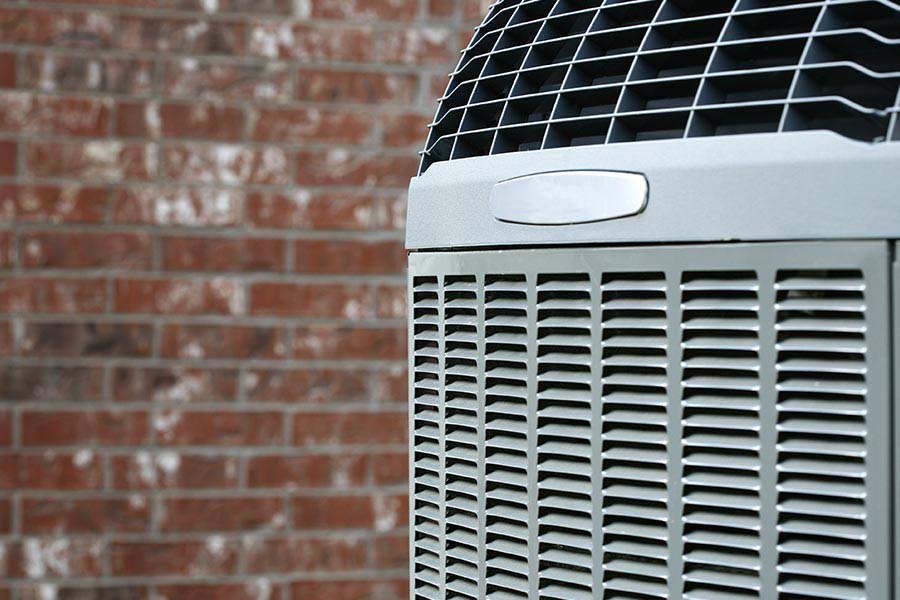
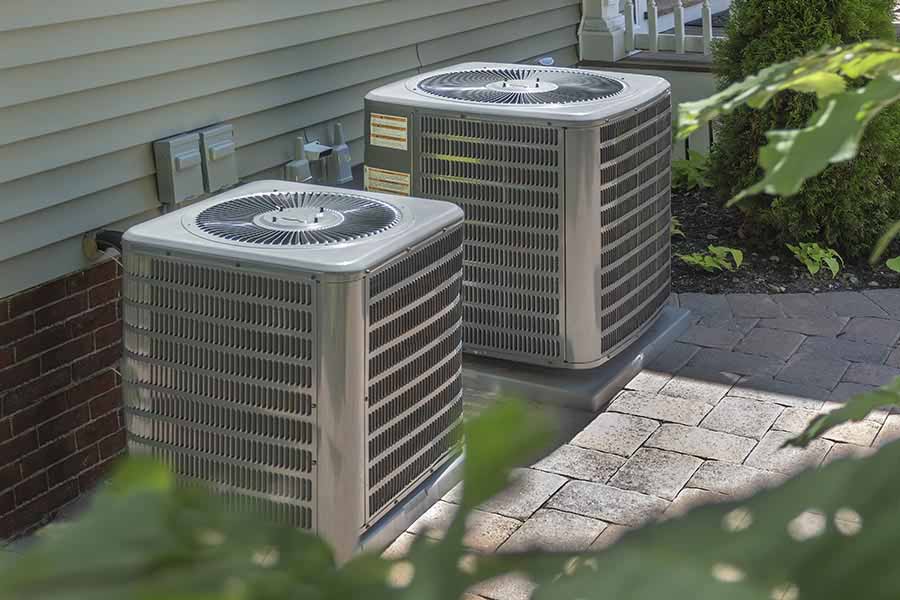
Regularly checking and clearing debris from your outdoor heat pump unit is essential for ideal performance.
A clean unit guarantees efficient operation and extends its lifespan. Here are four key areas to focus on:
- Leaves and Grass Clippings: Remove any fallen leaves or grass clippings that may block airflow.
- Snow and Ice: In colder months, clear snow and ice accumulation to prevent damage and maintain airflow.
- Vegetation: Trim back any nearby shrubs or plants that might encroach upon the unit, allowing for proper ventilation.
- Trash and Debris: Check for any trash or debris that may have blown into the unit, as this can obstruct function. Additionally, be aware that maintaining a clean unit can improve user experience and prevent frustration with performance issues.
Inspect and Seal Ductwork
Inspecting and sealing your ductwork can greatly enhance your heat pump’s efficiency. Start by checking for any visible cracks, gaps, or loose connections in your ducts. These issues can lead to significant air loss, making your system work harder and driving up your energy bills. Use mastic sealant or metal tape to seal any leaks you find.
Don’t forget to inspect duct joints and seams, as these are common problem areas. Additionally, verify that your ducts are properly insulated, especially if they run through unconditioned spaces like attics or basements. Insulation helps maintain the temperature of the air traveling through the ducts, improving overall system performance.
Regular inspections are key; aim to check your ductwork at least once a year. By taking these steps, you’ll verify your heat pump operates more efficiently and keeps your home comfortable year-round.
Monitor Thermostat Settings
You should monitor your thermostat settings regularly to keep your heat pump running efficiently.
Aim for an ideal temperature range and adjust your schedule as needed to match your lifestyle.
This simple step can help you save energy and enhance your home’s comfort.
Optimal Temperature Range
Finding the ideal temperature range for your home is crucial for both comfort and energy efficiency.
Keeping your heat pump running efficiently can save you money and guarantee a cozy environment. Here are four key points to take into account when setting your thermostat:
- Winter Setting: Aim for 68°F during the day and lower it at night for better efficiency.
- Summer Setting: A setting of 75°F helps maintain comfort while reducing energy consumption.
- Humidity Control: Adjusting your temperature can help manage humidity levels, improving overall comfort.
- Consistent Range: Avoid drastic temperature changes to prevent your heat pump from overworking and using more energy.
Regular Schedule Adjustments
Maintaining an efficient temperature range is just the start; regularly adjusting your thermostat settings can further optimize your heat pump’s performance.
By monitoring your thermostat, you guarantee your system isn’t working harder than necessary. Set schedules based on your daily routine—lower the temperature when you’re away or asleep, and raise it before you return home.
Utilize programmable or smart thermostats for effortless adjustments. This not only enhances comfort but also saves energy and reduces costs.
Don’t forget to check your settings seasonally; what works in winter mightn’t be ideal in summer. Keeping your thermostat in sync with your lifestyle will lead to a more efficient and effective heat pump operation, assuring you stay comfortable year-round.
Test the Safety Controls
Safety controls are essential for guaranteeing your heat pump operates reliably and efficiently.
Regularly testing these controls can prevent malfunctions and keep your home safe.
Here’s what you should check:
- High-Pressure Switch: This prevents the system from operating under dangerous pressures.
- Low-Pressure Switch: It stops the system if refrigerant levels are too low, protecting your compressor.
- Thermostat Calibration: Verify your thermostat accurately reflects the temperature, preventing overheating or overcooling.
- Emergency Shutoff: Test the emergency shutoff switch to confirm it functions correctly in case of a malfunction.
Keep the Indoor Unit Clean
A clean indoor unit is essential for your heat pump’s efficiency and longevity. Dust and debris can accumulate on the unit, obstructing airflow and forcing it to work harder, which increases energy costs.
To keep your heat pump running smoothly, start by turning off the power. Next, gently vacuum the unit’s exterior and remove any dust buildup. Don’t forget to clean or replace the air filter regularly, ideally every month during high-use seasons. A clogged filter can restrict airflow and reduce efficiency.
Wipe down the unit’s surfaces with a damp cloth to tackle stubborn dirt. Additionally, make sure that there’s no furniture or obstacles blocking airflow around the indoor unit.
Check for Unusual Noises or Odors
Keeping your heat pump clean is just the first step in ensuring its ideal performance; you also need to be alert to any unusual noises or odors it might emit.
These signs can indicate underlying issues that require attention. Here’s what to listen for and smell:
- Banging or Clanking: This could mean loose parts or a failing component.
- Hissing or Gurgling: These sounds might signal a refrigerant leak or airflow issues.
- Musty or Burning Smells: A musty odor could indicate mold, while a burning smell may suggest electrical problems.
- Persistent High-Pitched Whistles: This could point to a malfunctioning fan or compressor.
Don’t hesitate to contact a professional if you notice any of these signs.
Addressing issues early can prevent costly repairs and keep your heat pump running efficiently.
Know When to Upgrade Your System
Wondering when it’s time to upgrade your heat pump? There are a few signs you shouldn’t ignore.
First, if your heat pump is over 10-15 years old, it’s likely less efficient and more prone to breakdowns.
Second, if your energy bills keep rising despite regular maintenance, your system mightn’t be operating effectively.
Listen for unusual noises or check for unusual odors; these can signal serious issues.
If you find yourself frequently calling for repairs, it might be more cost-effective to upgrade.
Also, consider your comfort level. An upgrade could provide better temperature control if certain areas of your home are consistently too hot or too cold.
Finally, if you’re looking to enhance efficiency, newer models often come with energy-saving features and rebates.
Consult with a professional from Controlling Systems to discuss your options and find the right solution for your home’s needs.
Conclusion
Just like a gardener tends to their plants, nurturing your heat pump guarantees it thrives through every season. By following these maintenance tips, you’re not just prolonging its life; you’re cultivating a cozy home for you and your family. Each check-up, each clean filter, is like watering the roots—essential for growth and efficiency. So, stay vigilant and attentive; your heat pump will flourish, keeping your home warm and inviting for years to come.